Case #2: Reversing Inflammatory Joint Pain And Hormonal Imbalance By Focusing on Gut Health
By Functional Medicine Practitioner, Chris Kresser

Client Presentation
Michelle, a 46-year-old female, presented with bilateral joint pain in the hands and feet, digestive symptoms (gas, bloating, constipation), cold hands and feet, brain fog, anxiety, and sleep disturbance.
Her symptoms had worsened in the last three-month period, after she lost her job and her mother passed away.
She had been given a provisional diagnosis of rheumatoid arthritis by another clinician. She was prescribed immunosuppressive drugs, which she refused.
She occasionally took ibuprofen to manage the joint pain, but she was concerned about its long-term effects.
She had a family history of autoimmune disease (her mother had Hashimoto’s thyroiditis and her sister had Crohn’s disease). She believed that she might also have some form of autoimmunity.
I ran a full panel of lab tests on Michelle: a stool test, small intestinal bacterial overgrowth breath test, urinary organic acids, routine lab tests with a thyroid panel, and a urine hormone profile.
I found several pathologies that were contributing to her symptoms.
Finding the Root Cause
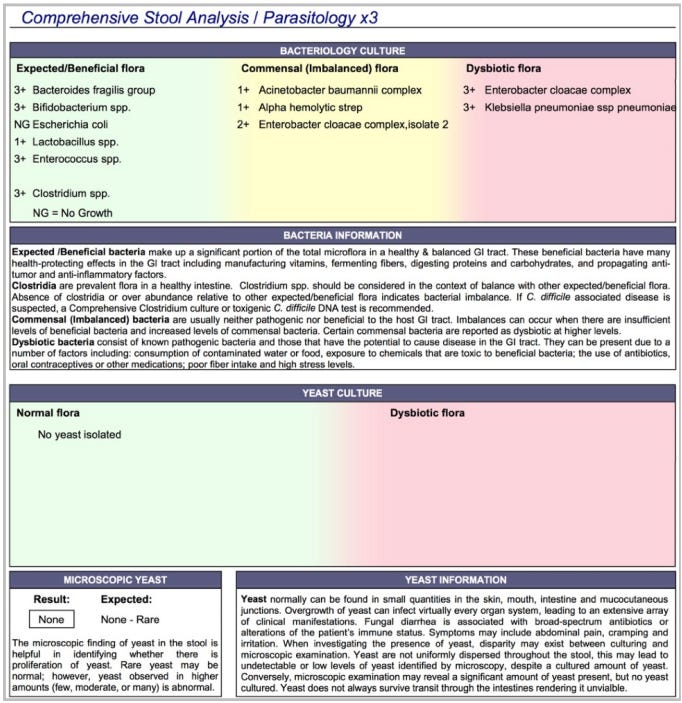
Michelle’s stool test found low levels of Lactobacillus and E. coli, both important species of beneficial bacteria.
In addition, it found a 3+ for two species of pathogenic bacteria, Enterobacter cloacae and Klebsiella pneumoniae.
She was negative for yeast.
Klebsiella species are associated with conditions that are characterized by joint pain, including ankylosing spondylitis, reactive arthritis, and rheumatoid arthritis. It has also been reported in irritable bowel syndrome (which this patient would likely meet the diagnostic criteria for) and other digestive conditions such as Crohn’s disease.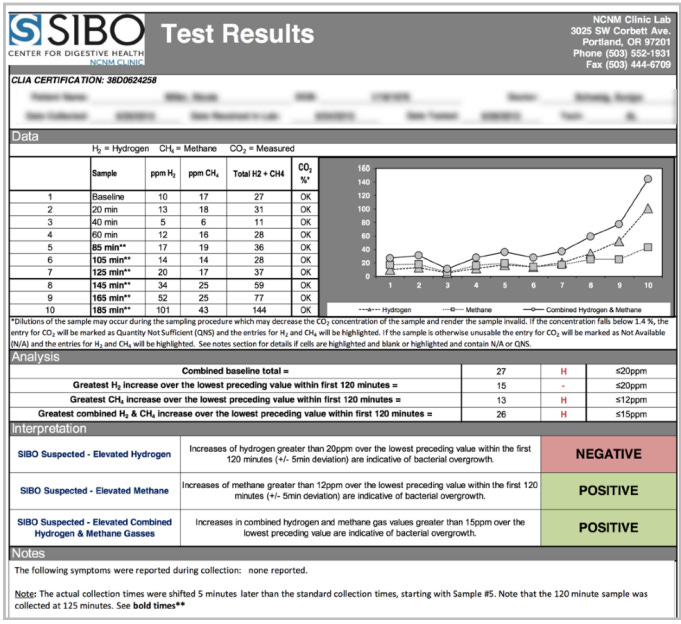
Her SIBO breath test results indicated methane overproduction.
This suggested bacterial overgrowth in the small intestine, which was likely contributing to her constipation.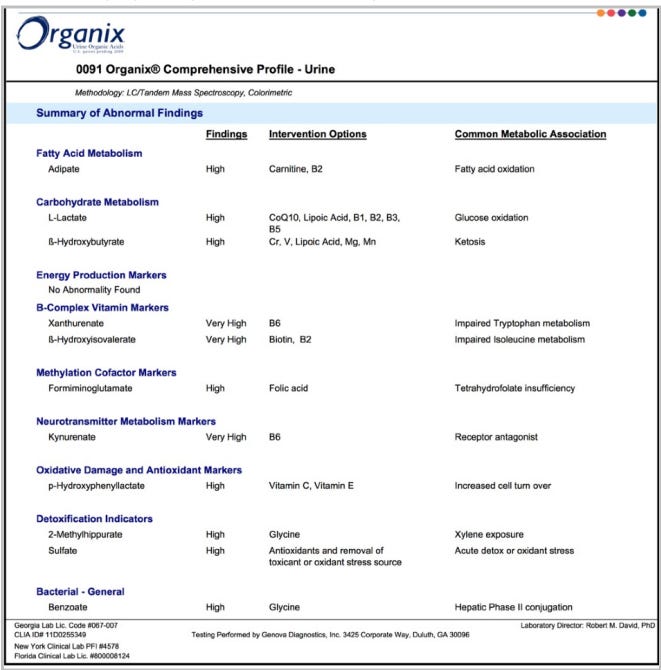
Her urine organic acids test confirmed the microbial overgrowth and imbalance in her gut, and revealed several other issues including B vitamin deficiency, SIBO, oxidative stress, impaired carbohydrate metabolism, impaired fatty acid metabolism and impaired detoxification capacity.
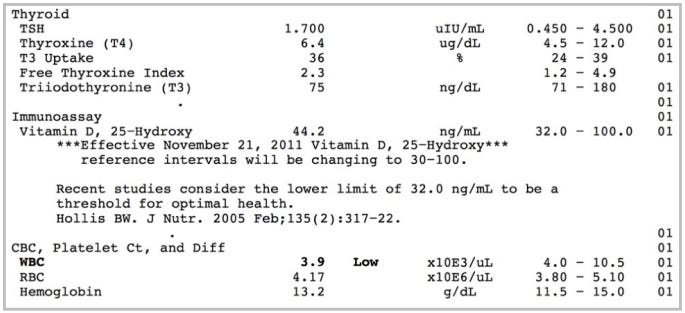
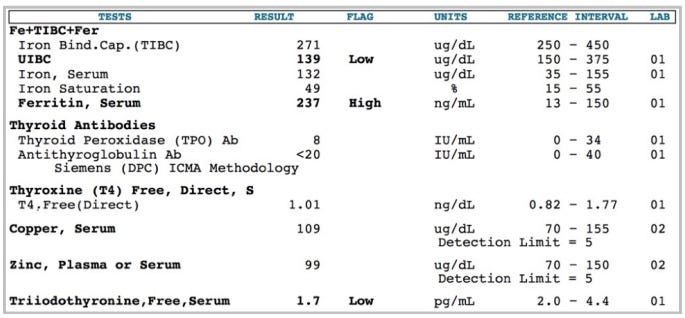
Her routine blood test was mostly unremarkable, with the following exceptions.
She had several markers of iron overload, including ferritin and UIBC that were out of the reference range, and iron saturation that was out of the functional/optimal range (<45%).
The iron elevation also wasn’t an artifact of inflammation (inflammation alone can cause high ferritin levels) because her iron saturation and UIBC were abnormal in addition to ferritin.High iron levels have been shown to contribute to joint pain, cognitive dysfunction, and many other symptoms. Her TSH and thyroid antibodies were normal, but her free T3 was low at 1.7.
This was likely contributing to her cold hands and feet, constipation, and brain fog.
In this case, her low free T3 may be secondary to her gut dysfunction. Approximately 20 percent of T4 is converted into T3 in the gut. Inflammation—which she is clearly experiencing—also reduces the conversion of T4 to T3.She also had a low white blood cell count, which is often observed in autoimmune conditions.
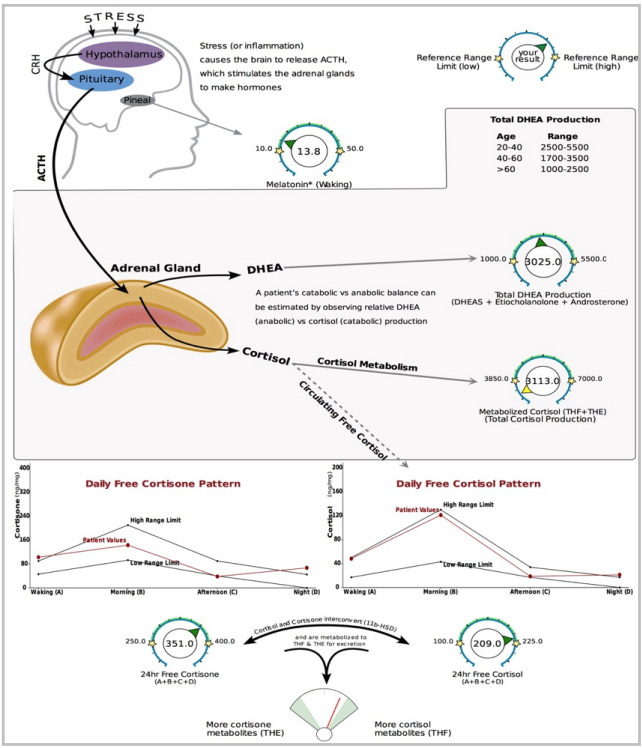
Finally, Michelle’s urine hormones revealed high-normal free cortisol but low metabolized cortisol during a 24-hour period.
In addition, her diurnal free cortisol production was disrupted, with high levels at night, high-normal levels upon rising and in the morning, and low levels in the afternoon.
Elevated cortisol levels might have reflected her stress response, consistent with her history of job loss and the death of her mother.Hypothyroidism impairs the body’s ability to metabolize cortisol, so this pattern of high free cortisol but low total metabolized cortisol suggested that Michelle had poor thyroid function, which was consistent with her low free T3.60-Day Treatment Plan
One of the core principles in functional medicine is to address the underlying cause of illness, rather than just suppressing symptoms.
I chose to address her GI issues (the SIBO, dysbiosis, and Klebsiella/HLA-B27) and then re-test her thyroid markers before taking any specific action for the thyroid dysfunction, because I believed that it would resolve on its own once her gut function improved and inflammation decreased.
The primary goals of the treatment protocol were:
Reduce overgrowth of Klebsiella
Reduce levels of methanogenic microbes in the small intestine by treating SIBO
Restore nutrient balance and metabolic function by improving digestive absorption of nutrients
Increase levels of beneficial bacteria and restore a healthy microbial balance in her intestine
Bring her iron levels back into a normal range
Increase her free T3 levels and improve her thyroid function indirectly by addressing her GI health
Normalize her free and total cortisol levels indirectly by addressing her GI health
For Klebsiella, SIBO, and microbial overgrowth, I used a protocol of antimicrobial botanicals, soil based and transient commensal probiotics with specific antimicrobial effects, a biofilm disruptor, and a potent extract of lauric acid (an antimicrobial fatty acid).
For iron reduction, I suggested a course of phlebotomy (via blood donation) until her ferritin was <100 ng/mL and her iron saturation was <40 percent.
To help with her inflammatory symptoms and balance and regulate her immune function, I prescribed a liposomal form of curcumin.
After the antimicrobial protocol was completed, I prescribed a combination of fermented foods, fermentable dietary fibers, probiotics, and prebiotics to restore a healthy gut ecosystem.
Michelle received treatment for 60 days and then I ran another set of tests to check on her progress.
Follow Up
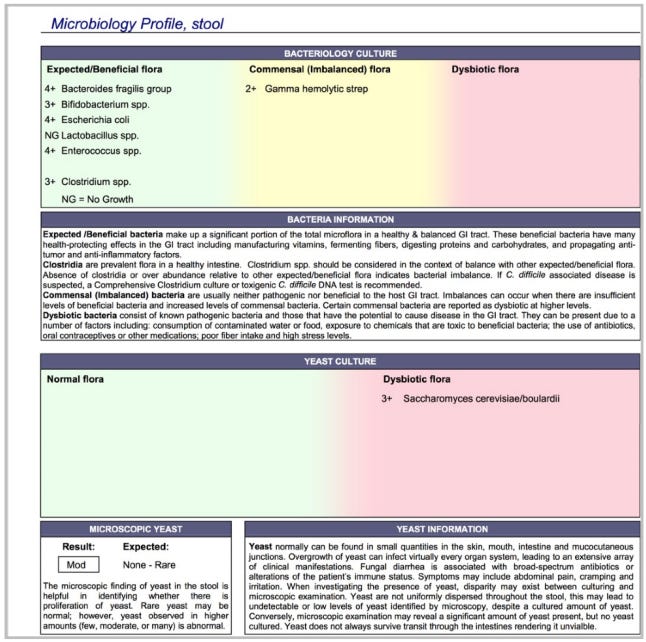
Michelle’s follow-up test results indicated a significant improvement.
As you can see from her stool test, the Klebsiella and Enterobacter (dysbiotic flora) were gone.
Her beneficial bacteria improved, with the exception of Lactobacillus, which still needed attention.
She had a 3+ for Saccharomyces boulardii, which is marked as “dysbiotic flora” and a moderate (Mod) level of yeast in the microscopic section.
At first glance this might suggest fungal overgrowth.
However, one of the probiotics I treated her with was Saccharomyces boulardii, so this result is simply showing the presence of that in her stool. It is not a pathological finding.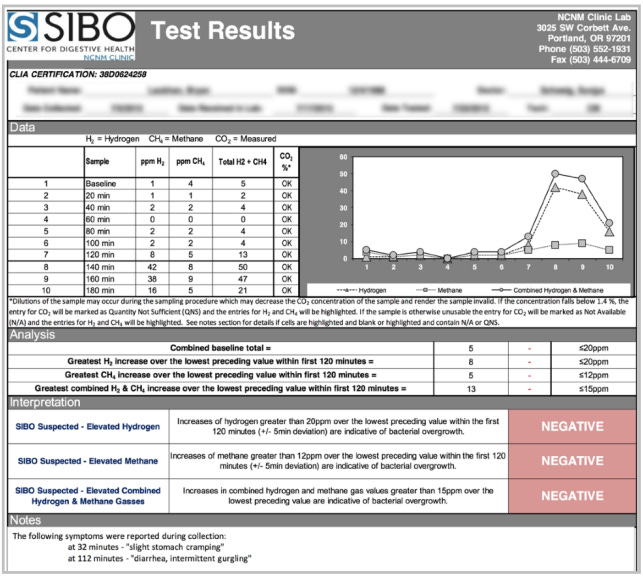
Her follow-up SIBO results were normal.
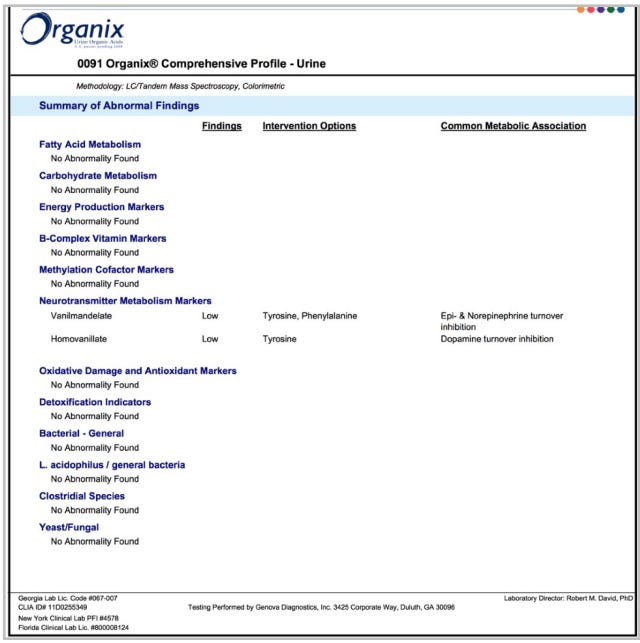
Her organic acids urine test also improved significantly, with only two markers in the low-normal range.
This shows that treating the gut effectively supplied Michelle with critical nutrients (especially B vitamins) that improved her metabolism.
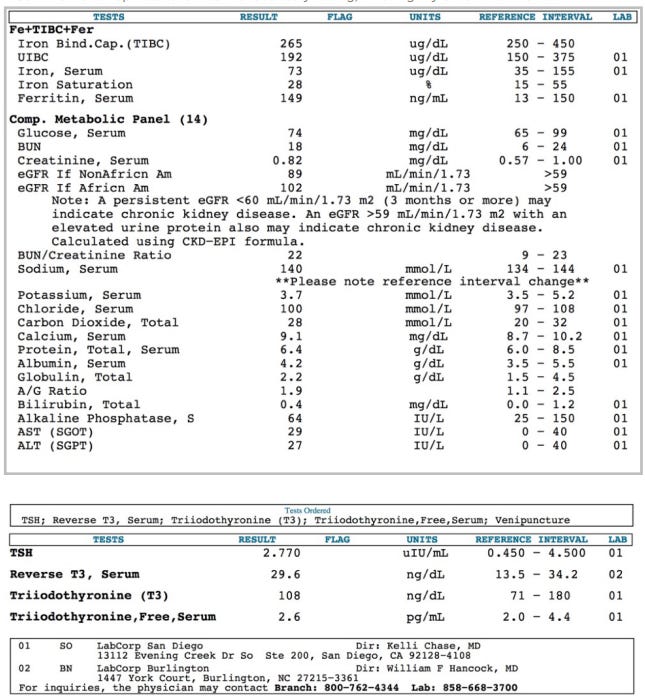
Her iron saturation dropped to 28 percent after two blood donations. Her ferritin returned to the reference range, but it remained high normal.
Further blood donations would be indicated provided that hemoglobin and iron saturation do not drop too low.
Her free T3 improved dramatically without any specific focus on her thyroid, supporting the functional medicine principle of addressing the underlying cause.
That said, both her TSH and reverse T3 are high-normal, which may suggest an ongoing thyroid issue or chronic stressor that is not influenced by her GI function.This would not be surprising given her family history of thyroid disease and her recent stressful experiences.
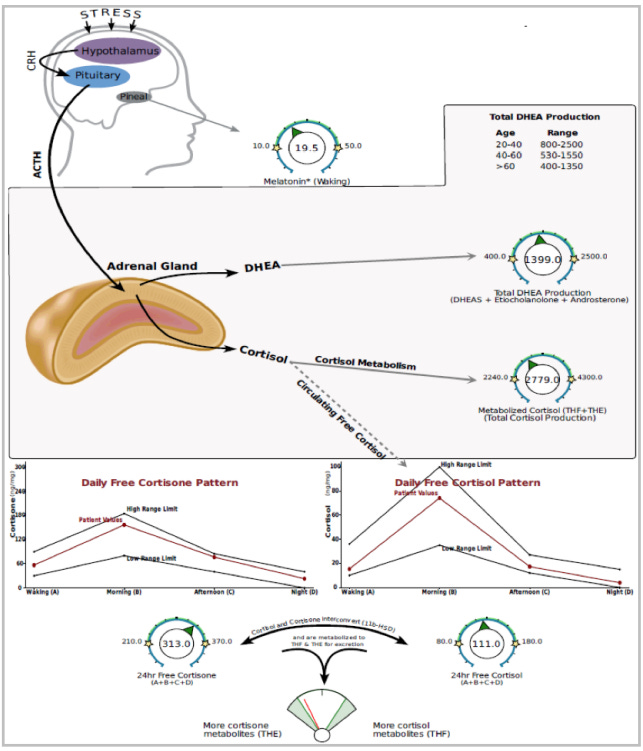
Finally, her DUTCH test results normalized. Her free cortisol decreased to 111 (range: 80–180) her metabolized cortisol increased to 2,779 (range: 2240–4300), and her diurnal cortisol rhythm improved.
Again, cortisol and thyroid markers were not addressed directly in this case. Instead, restoring gut function normalized cortisol patterns and thyroid function.
Thyroid hormone is required for the metabolic clearance of cortisol. Patients with hypothyroidism or low T3 levels will have trouble metabolizing cortisol. They often present with high free cortisol but low cortisol metabolites in the urine.In fact, the ratios between free and metabolized cortisol as well as cortisol and cortisone are being investigated as markers of subclinical thyroid hypofunction.If you only did a saliva test on this patient for cortisol, you’d assume that her cortisol was high (because of the high free cortisol). However, metabolized cortisol is a better marker for overall production. Less than 5 percent of the cortisol in the body is in the free (unbound) form; the rest is cleared by several metabolic pathways and excreted in the urine.If you gave this patient supplements to lower cortisol levels, as indicated by the saliva test results, she would probably get worse. Her metabolized cortisol was low. Cortisol is a potent anti-inflammatory hormone, and her low levels could be one of the driving factors behind her joint pain and other inflammatory symptoms.At the same time, giving her supplements to increase cortisol might also have an adverse effect. She already had high free cortisol levels, and free cortisol is the most potent form of that hormone. In this case, the best strategy was once again to address the underlying cause of the dysfunction, which was the poor thyroid function. But as mentioned earlier, the poor thyroid function was itself likely a “symptom” of a deeper problem: the disrupted gut microbiota and microbial overgrowth. This also illustrates the importance of addressing the deepest cause(s) of the signs and symptoms you observe first in the treatment process.
Importantly, Michelle’s symptoms improved dramatically. Her joint pain was reduced by 80 to 90 percent, and she no longer needed ibuprofen or any other OTC pain medication to manage it.
Her body temperature normalized and she no longer had cold hands and feet.
Her constipation, which had been present for over a decade, resolved—as did her gas and bloating.
She was able to think more clearly and concentrate for longer periods, and she no longer felt anxious.
For the first time in many years she was sleeping deeply through the night and waking up in the mornings feeling refreshed and energized.
by just going through these cases I got to learn and accept this that variations in food and lifestyle can really help in certain ways and slowly can get rid of these major problems as improvements in diet are better than to have steroids.
Very insightful! It is fascinating how gut health is so important in your overall health.